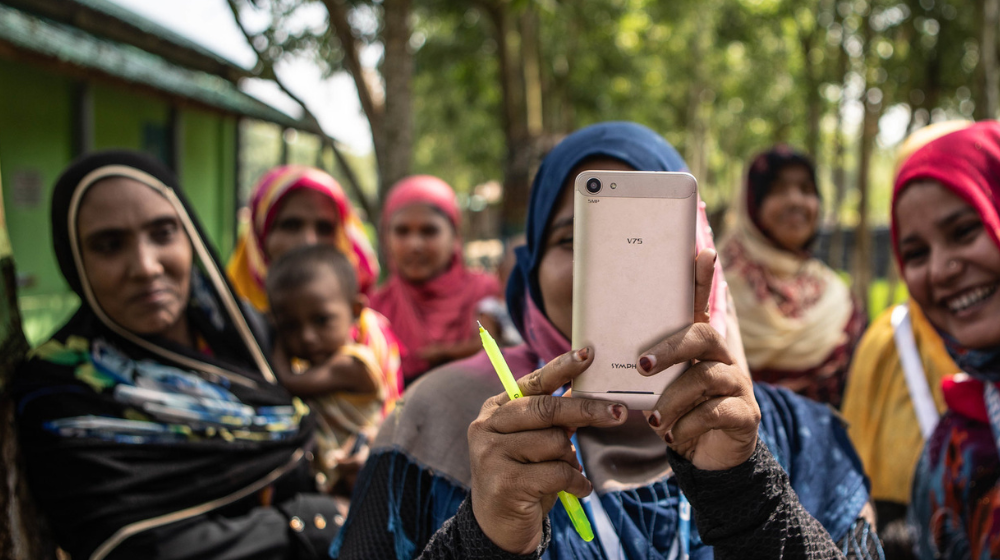
The Digital Battleground: Why Combating Online Gender Violence is Crucial for Protecting Women's Rights
The digital age, while offering unprecedented connectivity and opportunities, has also become a new frontier for harassment, abuse, and discrimination. Online gender-based violence (OGBV) is a pervasive issue that disproportionately affects women, undermining their safety, freedom of expression, and overall well-being. From cyberstalking and non-consensual image sharing to hate speech and incitement to violence, these digital harms mirror and amplify real-world inequalities. Recognizing the urgent need to address this growing threat, international bodies and regional blocs like the European Union are stepping up with legislative proposals and frameworks aimed at safeguarding individuals in the digital realm. At its core, this global effort is about ensuring we effectively protect women's rights in an increasingly interconnected world.
The Global Mandate to Protect Women's Rights: A UN Perspective
The commitment to protect women's rights is not new; it's a cornerstone of international human rights law, continuously evolving to meet contemporary challenges. The United Nations has been at the forefront of this mission for decades, establishing robust mechanisms to advance gender equality and combat all forms of discrimination and violence against women.
A significant milestone occurred in July 2010 with the creation of UN Women, formally known as the United Nations Entity for Gender Equality and the Empowerment of Women. This powerful entity consolidated existing bodies like the Division for the Advancement of Women (DAW), the International Research and Training Institute for the Advancement of Women (INSTRAW), and the Office of the Special Adviser on Gender Issues and Advancement of Women (OSAGI). UN Women's multifaceted role is critical:
- Policy and Standard Setting: It provides vital support to inter-governmental bodies, such as the Commission on the Status of Women, in formulating global policies, standards, and norms related to gender equality.
- Implementation Support: UN Women assists countries in implementing these agreed-upon standards, offering technical and financial support upon request, and forging effective partnerships with civil society organizations. This practical assistance is crucial for translating global commitments into local action. For a deeper dive into how this process works, read our related article: How UN Women Advances Global Standards for Gender Equality.
- Accountability and Monitoring: It holds the broader UN system accountable for its own commitments on gender equality, regularly monitoring system-wide progress and ensuring that gender considerations are mainstreamed across all UN activities.
The governance of UN Women is diverse, with its Executive Board comprising representatives from 41 countries serving on a rotating basis, ensuring broad geographical representation: 10 from Africa, 10 from Asia, 4 from Eastern Europe, 6 from Latin America and the Caribbean, 5 from Western Europe, and 6 from financially contributing countries. At the time of the reference, Ms. Phumzile Mlambo-Ngcuka served as the Under-Secretary-General for UN Women, symbolizing the high-level commitment to this agenda.
Further reinforcing this global framework are foundational documents like the Beijing Declaration and the Beijing Platform for Action, agreed upon at the Fourth World Conference on Women in 1995. These are widely regarded as the international community's most comprehensive policy documents for women's empowerment and gender equality, working in tandem with the Convention on the Elimination of All Forms of Discrimination against Women (CEDAW) to achieve equality and eliminate discrimination. The Beijing Platform for Action outlines 12 critical areas of concern, setting strategic objectives and policy measures for governments to promote gender equality. Among these areas, "Violence against Women" stands out as particularly relevant to the fight against online abuse. To understand the full scope of these critical areas, explore our article: Beijing Platform for Action: Unpacking 12 Areas of Women's Empowerment.
Unpacking the EU Directive on Combating Online Gender-Based Violence
While global frameworks lay the groundwork, regional initiatives provide concrete legislative responses. The European Union has emerged as a key player in this regard, recognizing the specific challenges posed by online gender-based violence within its member states. On March 8, 2022, the European Commission published a significant proposal for a Directive aimed at effectively combating online gender-based violence. This directive is a crucial step towards creating a safer digital environment and directly contributes to the overarching goal to protect women's rights in the digital sphere.
The proposed EU Directive focuses on criminalizing specific digital activities that constitute cyberviolence. These include, but are not limited to:
- Non-consensual sharing of intimate and manipulated material: This addresses the insidious spread of "revenge porn" and deepfakes, which cause immense harm to victims.
- Cyber-stalking: Persistent and unwanted online attention that instills fear and distress.
- Cyber harassment: Repeated offensive or threatening online messages or actions.
- Cyber incitement to violence or hatred based on the victim's sex or gender: This tackles hate speech that targets individuals based on their gender, often leading to real-world threats and intimidation.
Beyond criminalization, the Directive also outlines "measures to remove certain online material," which is a significant aspect. This provision aims to ensure that harmful content can be swiftly taken down, although its implementation requires careful consideration, especially regarding its overlap with existing digital service regulations like the Digital Services Act (DSA).
This initiative represents a tangible effort to modernize legal frameworks, adapting them to the realities of the digital age where threats can propagate rapidly and anonymously. By defining and criminalizing these acts, the EU aims to provide stronger legal recourse for victims and deter perpetrators, thereby strengthening the protection of fundamental human rights online.
Navigating Challenges and Ensuring Digital Rights: The EDRi Perspective
While the EU Directive is widely welcomed for its intent to combat online gender-based violence, its implementation also raises critical considerations, particularly concerning fundamental digital rights. Organizations like European Digital Rights (EDRi) have been vocal in both supporting the directive's objectives and highlighting potential pitfalls, advocating for a balanced approach that seeks to protect women's rights without inadvertently undermining other essential freedoms.
EDRi, for instance, appreciates the proposal's aim to effectively tackle OGBV through a specific directive. However, they voice concerns regarding:
- Focus on Criminalization vs. Structural Issues: EDRi argues that while criminalization is important, an over-reliance on it might neglect the deeper structural issues and root causes of gender-based violence. True prevention requires addressing societal inequalities that manifest both offline and online.
- Understanding Social Media Business Models: There's concern that the Directive lacks a meaningful comprehension of how social media business models, often driven by engagement and virality, can inadvertently amplify violent gender-based content. Algorithms and platform design play a significant role in content dissemination, and a comprehensive approach must hold platforms accountable for these dynamics.
A core tenet of EDRi's advocacy is that the fight against online gender-based violence must not undermine fundamental rights online, such as freedom of expression, privacy, and due process. This necessitates ensuring legal specificity, meaning that criminal law provisions must be concrete and not vague. Ambiguous definitions can lead to over-enforcement, chilling effects on legitimate speech, or disproportionate impacts on marginalized communities.
The challenge lies in striking a delicate balance: providing robust legal tools to combat abuse while safeguarding the open and free nature of the internet. This requires continuous dialogue among policymakers, civil society, technology companies, and legal experts to refine definitions, establish clear enforcement guidelines, and ensure accountability without stifling innovation or legitimate online activity.
Beyond Legislation: A Holistic Approach to Protecting Women's Rights Online
While legislative frameworks like the EU Directive are crucial for establishing legal boundaries and consequences, effectively combating online gender violence and truly working to protect women's rights online requires a more holistic, multi-pronged approach. Laws alone cannot fully address the complexities of digital harm and the societal attitudes that fuel it.
Practical Strategies for a Safer Digital Space:
- Digital Literacy and Education: Empowering all internet users, especially young people, with digital literacy skills is paramount. This includes understanding online consent, recognizing various forms of cyberviolence, knowing how to use privacy settings, and being aware of reporting mechanisms. Education should also challenge harmful gender stereotypes that underpin online abuse.
- Platform Accountability and Design: Social media companies and other online platforms must bear significant responsibility. This means investing in robust, transparent content moderation systems, designing algorithms that do not amplify harmful content, and creating accessible and effective reporting tools for users. Proactive measures, rather than reactive ones, are essential.
- Support for Victims: Victims of online gender violence often face psychological trauma, social stigma, and legal hurdles. Providing accessible and comprehensive support services – including psychological counseling, legal aid, and secure reporting channels – is vital for their recovery and for empowering them to seek justice.
- International Cooperation: Online violence transcends national borders. Effective enforcement and prevention require enhanced international cooperation among law enforcement agencies, judicial bodies, and digital rights organizations to share information, coordinate investigations, and harmonize legal responses.
- Addressing Root Causes of Gender Inequality: Ultimately, online gender violence is a reflection of offline gender inequality. Efforts to combat it must therefore be intertwined with broader initiatives to promote gender equality, challenge patriarchal norms, and eliminate discrimination in all spheres of life.
A truly safe and equitable digital future depends not just on what is criminalized, but on how societies nurture respect, empathy, and accountability across all interactions, online and offline. By integrating legal, technological, educational, and social interventions, we can build a more resilient and inclusive digital world where everyone, particularly women, can thrive free from fear and harassment.
Conclusion
The fight to combat online gender violence is an indispensable part of the larger mission to protect women's rights in the 21st century. As evidenced by the foundational work of UN Women and the Beijing Platform for Action, and the targeted legislative efforts like the EU Directive, there is a growing global consensus on the need for robust action. While legal frameworks provide essential tools, the path forward requires continuous vigilance, adaptive strategies, and a collaborative spirit among governments, civil society, tech companies, and individuals. By addressing both the symptoms and the root causes of online gender-based violence, and by fostering a culture of digital respect and accountability, we can move closer to ensuring that the digital realm truly serves as a space for empowerment and connection, free from harm and discrimination, for all.